
Customer operations
Inbound questions, quotes, bookings and follow-up, answered or routed without someone watching an inbox all day.
Canada-based automation partner
We identify the repetitive work slowing your business down, then design and build AI automations around how you already operate.
We assess feasibility, risk and the right level of automation before we build.
The work that slows you down
If your team repeatedly copies it, chases it, enters it, routes it or answers it, it is worth assessing. Most of it looks like one of these four.

Client feedback
Feedback from the teams we have built for, paired to the product on this site that solved the problem.
“Every enquiry now lands with the right person and the right project details already attached. We spend our time scoping surveys instead of sorting the inbox.”
Yusuf Mbeki
Kitewind Drone Surveying
“Following up on a quote used to depend on someone remembering at the end of a long day. Now the right conversation comes back to us at the right time.”
Ezekiel Brandt
Brandt Mobile Welding
“When a class spot opens up, we can move quickly without a chain of messages. Members get a clear option and the front desk has one less thing to chase.”
Tessa Fairweather
Loop & Ladder Climbing Gym
“The invoice process finally has a consistent front door. Our team reviews the exceptions rather than typing the same information into several places.”
Ravi Chandrasekhar
Paperlane Publishing House
How we work
Discover, design, build, improve. Each stage ends with something you can hold, and you can stop after any one of them.
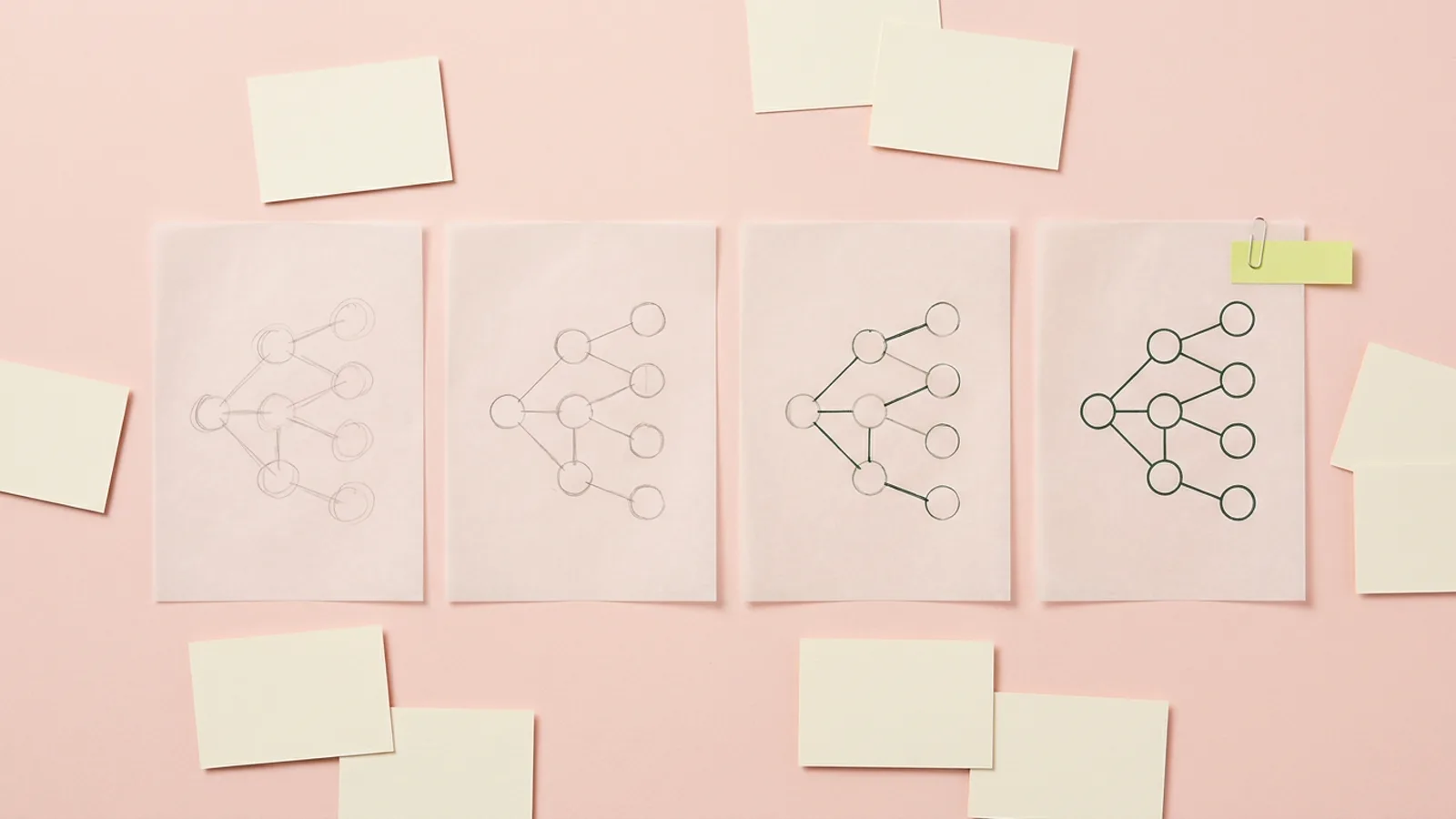
We sit with the work as it actually happens, not as the process document describes it.
You get
A written map of where the time goes
We decide what should be automated, what only needs a plain rule, and where a person should keep signing off.
You get
System design, scope and risks
We build into the tools you already run, and keep human review on anything carrying money, legal or reputational weight.
You get
A working automation, in production
We watch what it does under real conditions and adjust. Early automations always meet cases discovery missed.
You get
Measurement and revisions
What we automate
From customer requests and documents through to internal handoffs and reporting, we connect the work that should not need constant manual attention.
Inbound questions, quotes, bookings and follow-up, answered or routed without someone watching an inbox all day.

Approvals, onboarding steps, task creation and the small chases that keep work moving between people.

Reading documents, pulling out the fields that matter, filing them, and keeping records in step across systems.

Making the tools you already pay for talk to each other, so the same information stops being entered twice.
Not every process should be fully automated. We identify where AI helps, where a plain rule is enough, and where people should stay in the loop.
Build-ready products
Starting points for the business problems we see again and again. Each one is configured around your systems, team and approval rules.
01
Customer operations
Capture, qualify and route every inbound enquiry while it is still warm.
02
Customer operations
Keep quotes moving without relying on a spreadsheet or a memory.
03
Bookings
Turn cancellations, no-shows and booking changes into a managed queue.
04
Documents
Read incoming invoices, check the essentials and move clean records to the next step.
05
Onboarding
Start every new client with the same clear, connected first steps.
06
Internal operations
Coordinate people, access and first-week tasks before a new teammate arrives.
07
Internal operations
Make work ownership visible when one team needs another to take over.
08
Reporting
Give leaders the signal they need without rebuilding the same report every Friday.
Where to start
A workflow audit is forty-five minutes, a written map of the two or three workflows costing you the most time, and an honest read on what is worth automating. It costs nothing and the map is yours either way.
Pick a time, bring one process, and leave with a map. What the audit includes, who should attend, and what happens if the answer is no.
Twelve workflows worth automating first, each with the signal that tells you it is ready. Most businesses recognize three or four.
Contact
If a call feels premature, write down what keeps going wrong and send it over. We read every one and reply within one business day.